
Extreme heat does more than make a house uncomfortable. Several days of intense temperatures can put roofing, HVAC equipment, insulation, windows, electrical components, and exterior materials under unusual stress. Some problems show up immediately; others become noticeable only after the heat has passed.
A quick post-heat inspection can help catch small issues before they become expensive repairs.
Start at the Roof
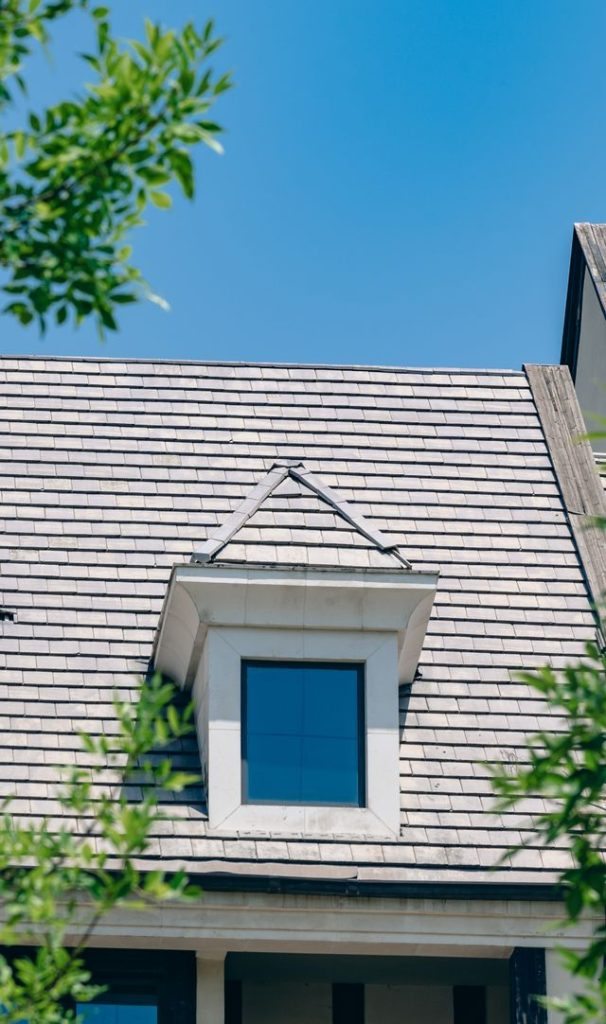
The roof takes the first hit from prolonged sun and heat. Asphalt shingles can become brittle over time, while sealants, flashing materials, and other roof components may deteriorate faster under repeated thermal stress. Heat and ultraviolet exposure are also contributors to roofing-material aging.
From the ground, look for curling, cracked, missing, or visibly damaged shingles. Check roof penetrations, flashing, and areas around chimneys and vents for signs of deterioration.
Don’t climb onto a hot roof simply to get a closer look. A ground-level inspection, attic inspection, or professional roof evaluation is safer.
Look Closely at the Attic
An attic can become dramatically hotter than the living space below it. Poor insulation, inadequate ventilation, and air leakage can allow that heat to affect the home’s comfort and cooling demands.
Look for:
- Displaced or compressed insulation
- Darkened or stained insulation
- Moisture marks or unusual odors
- Damaged roof sheathing
- Blocked soffit or ridge vents
- Gaps around wiring, plumbing, ducts, and other penetrations
Dirty insulation can sometimes indicate air movement through gaps between the living area and attic.
Give the HVAC System Some Attention
During an extreme heat event, an air-conditioning system may run for long periods with little opportunity to rest. A system that previously seemed adequate may reveal weaknesses through poor airflow, unusual noises, short cycling, or rooms that remain noticeably warmer than others.
Check the filter, supply and return vents, accessible ductwork, and condensate drainage. If the system struggles to maintain temperature or repeatedly shuts down, an HVAC professional should investigate rather than simply lowering the thermostat.
Inspect Windows, Doors, and Exterior Materials
Walk around the exterior when temperatures are cooler. Look for warped trim, failed caulking, cracked sealants, peeling finishes, or gaps around windows and doors.
Inside, pay attention to rooms that suddenly feel hotter than usual. Air leaks around doors, windows, attic hatches, and penetrations can undermine the home’s thermal envelope. Proper insulation and air sealing can improve both comfort and energy performance.
Don’t Forget the Electrical System
Heavy air-conditioning demand can place additional loads on electrical equipment. Watch for warm or discolored outlets, buzzing sounds, flickering lights, or breakers that trip repeatedly. These aren’t normal “summer quirks” and warrant evaluation by a qualified electrician.
A house may survive extreme heat without obvious damage, but that doesn’t mean nothing happened. A careful look at the roof, attic, HVAC system, exterior envelope, and electrical components can reveal early warning signs while they are still manageable.
Think of a heat wave as a stress test for the house. What it reveals can be some of the most useful information for keeping the home safe, comfortable, and durable.