
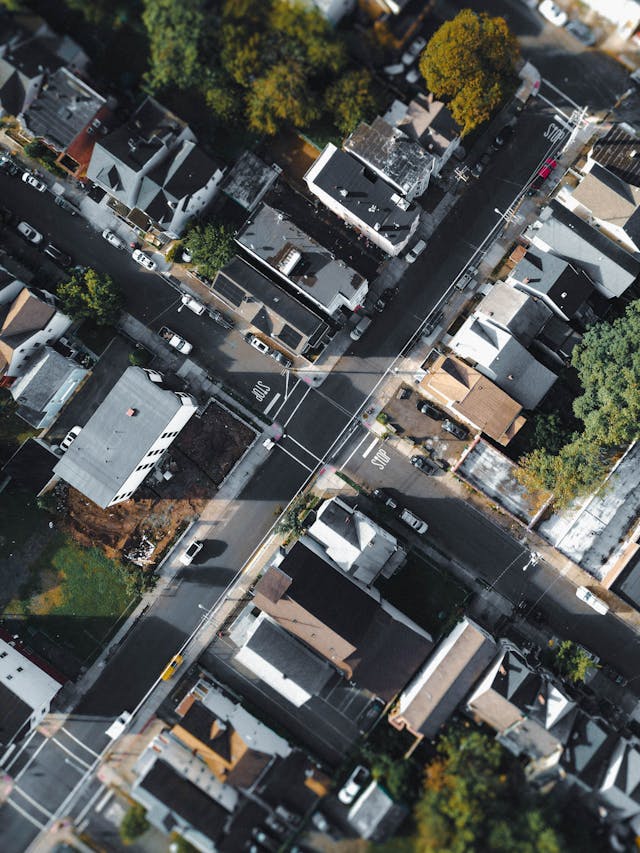
A well-built home can age gracefully. Roofs get replaced, plumbing is updated, and foundations are monitored over time. But there is another system every homeowner depends on that often receives far less attention: the infrastructure beneath the street.
Water mains, sewer lines, storm drains, sidewalks, and roadbeds in many Mid-Atlantic communities are decades old. In some neighborhoods, these systems were installed long before the current homes were built. When municipal infrastructure begins to wear out faster than your house, the effects can show up right on your property line—and sometimes inside the home itself.
Problems That Start Underground
Most homeowners focus on what they can see. Cracked caulk or a loose gutter is easy to spot. Aging public infrastructure is less obvious, but it can create very visible consequences.
A deteriorating water main may cause fluctuations in water pressure or discolored tap water after repairs. Older sewer systems can become overwhelmed during heavy rain, increasing the chance of backups. Storm drains that no longer handle runoff effectively may leave yards soggy and basements vulnerable to moisture intrusion.
When the systems under the street struggle, the house often feels the effects first.
Drainage Changes and Foundation Concerns
In areas with clay-rich soils, water management is especially important. Poor drainage from clogged storm systems or settling roadways can redirect water toward a home instead of away from it.
That extra moisture may contribute to:
- Basement seepage
- Crawlspace dampness
- Foundation movement
- Cracks in walls and masonry
- Uneven settlement around porches and sidewalks
While these conditions do not always indicate a major structural issue, they are worth monitoring because prolonged moisture can accelerate deterioration.
Sidewalks, Curbs, and Grading Issues
Municipal infrastructure includes more than pipes. Curbs, sidewalks, and gutters play a critical role in controlling water flow.
When curbs settle or sidewalks heave, runoff may bypass intended drainage routes and collect near the foundation. Low spots in driveways or front yards can develop slowly, making water intrusion seem like a household issue when the source is actually at the street.
What Homeowners Should Watch For
A few subtle clues can suggest infrastructure-related problems:
- Recurring dampness after storms
- Sudden changes in water pressure
- New settlement cracks
- Standing water near the curb
- Sinkholes or depressions in the yard
These symptoms are not always caused by defects on the property itself.
The Bigger Picture
A home does not function in isolation. It relies on the condition of the roads, drains, and utilities surrounding it. Even a well-maintained property can be affected when public systems age and performance declines.
Understanding that connection helps homeowners make sense of moisture problems, settlement patterns, and drainage concerns. Sometimes the most important part of protecting a house is paying attention to what is happening just beyond the front yard.