
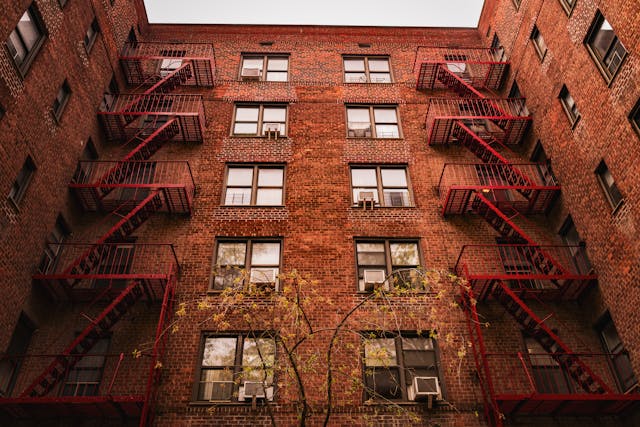
Apartment living offers convenience, community, and efficient use of space—but it also comes with shared risks. One of the most underestimated dangers is fire. Many residents assume that if a fire doesn’t start in their own unit, the impact will be minimal. In reality, fire in any part of a building can affect every resident in ways that aren’t always obvious.
Fire Doesn’t Respect Walls
Modern apartment buildings are designed with fire-rated assemblies, but no system is perfect. Heat, flames, and smoke can travel through wall cavities, ceiling voids, ventilation systems, and even electrical conduits. A fire that begins several units away can still compromise structural elements or allow smoke infiltration into neighboring apartments.
Even when flames are contained, high heat can weaken materials like wood framing, drywall, and metal fasteners. This can lead to long-term safety concerns that aren’t always visible at first glance.
Smoke: The Silent Intruder
Smoke is often more damaging than the fire itself. It moves quickly and seeps into every available opening—under doors, through outlets, and along ductwork. Once inside, it leaves behind soot and microscopic particles that cling to walls, ceilings, furniture, and personal belongings.
Beyond the visible residue, smoke carries odors that can be difficult to remove. More importantly, it may contain harmful toxins. Even brief exposure can affect indoor air quality, making a space uncomfortable or even unsafe until properly cleaned and ventilated.
Water Damage From Firefighting Efforts
Putting out a fire requires large volumes of water. Sprinkler systems, fire hoses, and suppression efforts can lead to significant water intrusion—not just in the affected unit, but in those below and adjacent.
This moisture can soak into flooring, insulation, and drywall, creating conditions for mold growth within days. What begins as a fire event can quickly turn into a secondary issue involving structural drying, remediation, and repairs.
Electrical and Mechanical System Impact
Fires often disrupt more than just the immediate area. Electrical wiring may be damaged or shut down as a precaution. HVAC systems can spread smoke throughout the building before they are turned off. Elevators, alarms, and other shared systems may also be affected.
Even if power and services are restored quickly, hidden damage to these systems can pose ongoing risks if not thoroughly inspected and repaired.
What Residents Should Watch For
After a fire in the building—even one far from your unit—it’s wise to stay alert. Signs of concern may include persistent smoke odors, discoloration on walls or ceilings, warping materials, or unexplained moisture.
Prompt reporting of these issues helps ensure they are addressed before they worsen. Professional cleaning and inspection are often necessary to restore a safe and healthy living environment.
A Shared Responsibility
Fire safety in apartment buildings relies on both building systems and resident awareness. Functional smoke alarms, clear exit paths, and proper use of electrical and cooking equipment all play a role in prevention.
While it’s impossible to eliminate all risk, understanding how fire can affect an entire building—not just a single unit—helps residents take the situation seriously. Awareness leads to quicker action, better communication, and ultimately, safer living conditions for everyone.