
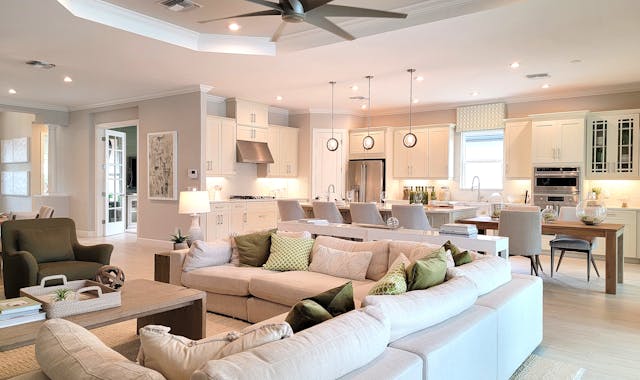
Open-concept living continues to be one of the most requested remodeling trends among homeowners. The appeal is easy to understand—fewer walls, better sightlines, more natural light, and a seamless flow between kitchen, dining, and living areas. While the finished product can be beautiful and functional, transforming a traditionally framed home into an open-concept layout comes with structural, mechanical, and financial challenges that deserve careful consideration before demolition begins.
Structural Surprises Behind the Walls
The most significant hurdle in many open-concept renovations is determining whether the wall slated for removal is load-bearing. In older homes especially, interior walls often support floor joists, roof structures, or even masonry above. Removing such a wall without proper reinforcement can compromise the integrity of the entire structure.
If the wall is load-bearing, a properly sized beam—often engineered lumber or steel—must be installed to transfer the load safely. This typically requires precise calculations, temporary supports during construction, and inspections to ensure compliance with local building codes. Even when completed correctly, new beams may require creative finishing solutions if ceiling cavities are shallow or mechanical lines are in the way.
Mechanical Systems in the Way
Walls do more than divide rooms. They frequently house plumbing lines, electrical wiring, and HVAC ductwork. Removing them can trigger a cascade of additional work.
For example, plumbing vents or supply lines serving an upper-level bathroom may run directly through the wall being removed. Relocating these lines can add significant cost and complexity. Electrical circuits may need to be rerouted, and service panels updated to meet current standards. In some cases, older homes may reveal outdated wiring that warrants replacement once exposed.
Heating and cooling systems also present complications. Ductwork designed for compartmentalized rooms may not distribute air effectively in a large, open space. Homeowners are sometimes surprised to learn that comfort can suffer unless adjustments are made to airflow design.
Flooring and Ceiling Transitions
Once walls are removed, mismatched flooring often becomes visible. Hardwood may run in different directions, tile may stop abruptly, or subfloor patches may appear where walls once stood. Achieving a seamless look can require refinishing large areas or installing entirely new flooring.
Ceilings can pose similar challenges. Texture differences, framing inconsistencies, or soffits hiding utilities may disrupt the clean, open aesthetic homeowners envision. Addressing these details often takes additional time and budget.
Sound and Privacy Considerations
Open layouts promote togetherness, but they also amplify noise. Kitchen appliances, televisions, and conversations travel more freely in expansive spaces. Families who value quiet corners for work or relaxation may find the adjustment challenging.
Strategic design elements—such as partial walls, ceiling treatments, or sound-absorbing finishes—can help strike a balance between openness and functionality.
Permits and Local Requirements
Remodeling projects that alter structural components typically require permits and inspections. Skipping this step can lead to costly corrections and complications during resale.
A Thoughtful Approach Pays Off
Creating an open-concept home can dramatically improve livability and resale appeal. However, success depends on careful planning, realistic budgeting, and a clear understanding of what lies behind the walls. When structural, mechanical, and design factors are evaluated thoroughly from the outset, the finished space can deliver both beauty and peace of mind for years to come.