
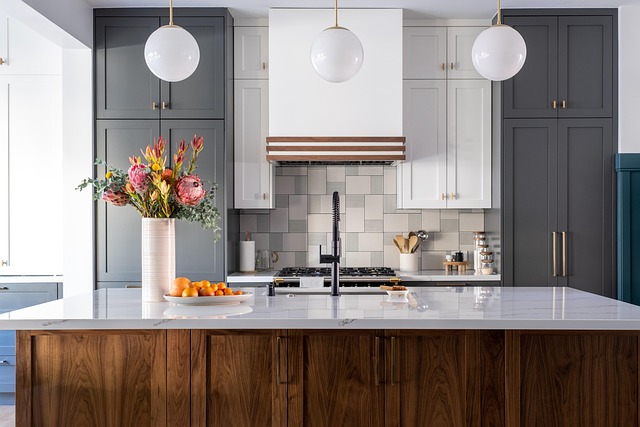
Selecting a kitchen countertop is more than a design decision—it’s a functional investment that affects durability, maintenance, and resale appeal. With so many materials available, the best choice comes from balancing appearance with real-world performance. A countertop should not only look good on day one but also stand up to years of daily use.
Start With How the Kitchen Is Used
Before comparing materials, consider how the kitchen actually functions. Countertops in a busy household endure heat, moisture, sharp utensils, and frequent cleaning. In contrast, a lightly used kitchen may prioritize aesthetics over heavy-duty performance. Understanding usage patterns helps narrow options quickly and avoids choosing a surface that looks impressive but wears poorly under stress.
Evaluate Durability and Resistance
Durability is one of the most overlooked factors. Natural stone options like granite are known for strength and heat resistance, but they can crack if improperly supported. Quartz, an engineered surface, offers consistent durability and resists staining without sealing. Laminate is budget-friendly but more vulnerable to burns and cuts. Solid surface materials provide seamless appearance and easy repair, though they are less heat tolerant. Each material performs differently under impact, heat, and moisture, and those differences matter over time.
Determine Maintenance Requirements
All countertops require some level of care. However, there are some materials that demand more attention than others. Porous surfaces, such as marble or certain stones, require sealing to prevent staining and etching. Non-porous materials like quartz are easier to maintain and more forgiving. Maintenance expectations should align with how much ongoing care is realistic, not just what looks best in a showroom.
Consider Installation and Support
Proper installation is critical to performance. Heavy materials need adequate cabinet support, and seams should be placed strategically to minimize stress points. Overhangs, cutouts for sinks, and cooktop openings all affect longevity. A quality material can still fail prematurely if it is not installed correctly or supported adequately.
Think About Long-Term Value
Countertops contribute significantly to perceived home value. Durable materials with neutral tones tend to appeal to a wider range of buyers and age better over time. Trend-driven choices may look dated quickly, while classic materials often hold their appeal. Longevity, repairability, and market acceptance should all factor into the decision.
Balance Style With Practicality
A countertop should complement the kitchen without becoming a liability. Color, pattern, and finish matter, but they should support daily function rather than compete with it. Subtle textures and mid-tone colors often conceal wear better than high-gloss or extreme contrasts.
Choosing the right kitchen countertop comes down to informed trade-offs. When durability, maintenance, installation, and long-term value are weighed together, the best option becomes clear—not just for today’s appearance, but for years of reliable service.