
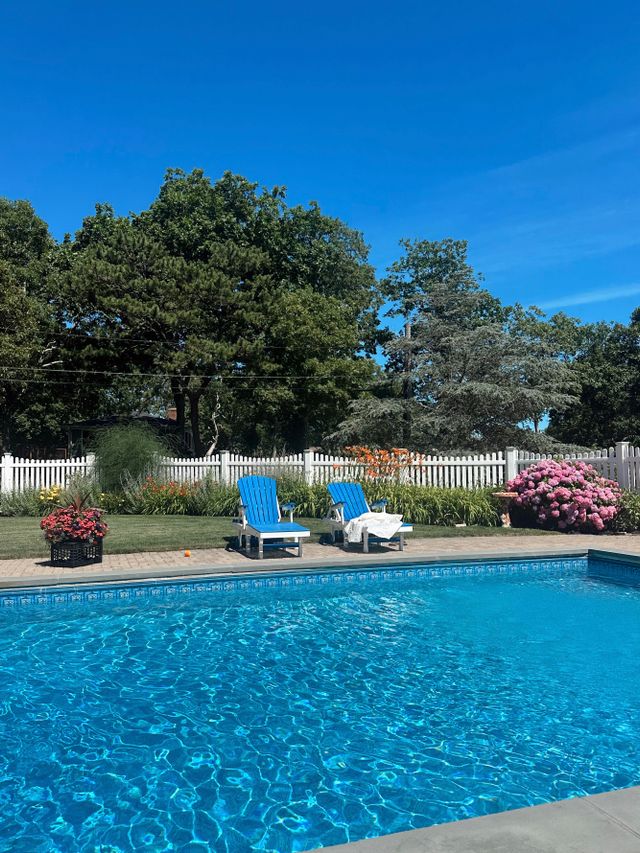
A backyard swimming pool is often viewed as the ultimate outdoor luxury. On hot summer days, it can transform a property into a private retreat and provide years of enjoyment for family and friends. However, when it comes to resale value, the question becomes more complicated. Is a pool an investment that pays off, or could it actually limit a home’s appeal?
The Lifestyle Factor
For many homeowners, a pool is less about return on investment and more about quality of life. It creates a space for recreation, relaxation, and entertaining. In areas where summer temperatures can be warm and humid, a pool can feel like a natural extension of the home.
That said, buyers don’t always place the same value on a pool that the current owner does. What one person sees as a backyard oasis, another may see as a maintenance responsibility.
Pools Don’t Guarantee Higher Resale Value
One of the most common misconceptions is that installing a pool will automatically increase a home’s value by the full cost of construction. In reality, that rarely happens.
While a well-designed pool may make a property more attractive to certain buyers, it often does not provide a dollar-for-dollar return. The resale impact depends on factors such as neighborhood expectations, property size, pool condition, and local buyer preferences.
In communities where pools are common, not having one may put a home at a disadvantage. In neighborhoods where pools are relatively rare, adding one may not significantly boost market value.
The Costs Buyers Consider
Potential buyers often look beyond the visual appeal of a pool. They also consider ongoing expenses, including:
- Routine maintenance
- Water and utility costs
- Equipment repairs and replacement
- Insurance considerations
- Safety measures and fencing requirements
For families with young children or buyers seeking a low-maintenance property, these factors can become concerns rather than benefits.
Condition Matters More Than You Might Think
A pool in excellent condition can enhance a property’s overall presentation. A neglected pool, however, can quickly become a liability.
Cracked surfaces, outdated equipment, deteriorated decking, or visible leaks may raise questions about maintenance throughout the property. Buyers often assume that if a pool has been neglected, other systems may have received similar treatment.
Regular upkeep is essential not only for enjoyment but also for preserving buyer confidence.
Making the Right Decision
Before installing a pool, homeowners should think carefully about their long-term plans. If the primary goal is personal enjoyment and the budget comfortably supports installation and maintenance costs, a pool can be a worthwhile addition.
If the decision is based solely on increasing resale value, expectations should remain realistic. A pool can help a home stand out in the right market, but it is rarely a guaranteed financial win.
The Bottom Line
A backyard swimming pool is best viewed as a lifestyle enhancement first and a potential resale feature second. For the right homeowner, it can provide years of enjoyment. From a real estate perspective, however, its value depends heavily on location, buyer demand, and overall condition. The smartest approach is to install a pool because it fits the way the property will be enjoyed—not because it is expected to dramatically increase the sale price down the road.