
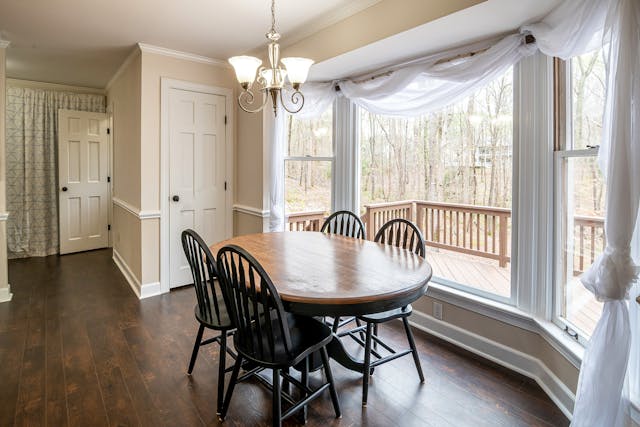
If you’ve ever stepped into an older home and noticed a distinct, musty scent, you’re not alone. It’s often described as “the smell of age,” but in reality, it’s far more specific—and far more informative. That familiar odor isn’t just about time passing; it’s usually a signal from the home itself about conditions that deserve a closer look.
It’s Not Age—It’s Chemistry
Homes don’t actually develop a smell simply because they’re old. The scent most people associate with older houses is typically the result of volatile organic compounds (VOCs) released as materials break down over time. Wood, paint, adhesives, and even insulation can emit these compounds as they age.
On top of that, dust and organic debris—things like skin cells, fabric fibers, and pet dander—accumulate in places that aren’t regularly cleaned. Over time, these materials decompose and contribute to that stale, lingering odor.
Moisture Is Usually the Main Culprit
In many cases, that “old house smell” points to moisture. Even low levels of humidity, when present over long periods, can create the perfect environment for mold and mildew to grow. These microorganisms release gases as they develop, which are often responsible for the musty scent people notice.
Basements, crawl spaces, and poorly ventilated attics are common sources. A home may appear dry and well-maintained on the surface, but hidden moisture issues can persist behind walls, under flooring, or within insulation.
Ventilation Plays a Bigger Role Than You Think
Another key factor is air movement—or lack of it. Older homes were not always built with modern ventilation standards in mind. Without proper airflow, indoor air becomes stagnant, allowing odors to settle and intensify.
Simple factors like closed windows, aging HVAC systems, or blocked vents can all contribute. When fresh air isn’t regularly introduced, even minor odors can become much more noticeable over time.
Materials Tell Part of the Story
Certain building materials tend to hold onto odors more than others. Carpeting, drapery, and upholstered surfaces can trap moisture and airborne particles for years. Likewise, older wood structures may absorb and retain smells, especially if they’ve been exposed to humidity fluctuations.
In some homes, past events—such as long-term vacancy, previous water intrusion, or even heavy indoor smoking—can leave behind odors that linger long after the original cause has been addressed.
When to Take It Seriously
A faint, slightly stale scent may not indicate a serious problem, but a strong or persistent musty odor should never be ignored. It can be an early warning sign of hidden mold, slow leaks, or ventilation deficiencies.
Addressing the underlying cause is far more effective than masking the smell. Dehumidification, improved airflow, and identifying moisture sources are often the first steps. In some cases, targeted remediation may be necessary to fully resolve the issue.
The Bottom Line
That classic “old house smell” isn’t just a quirk—it’s a clue. It reflects how a home has aged, how it breathes, and how well moisture has been managed over time. Paying attention to it can provide valuable insight into the overall condition of the property—and help prevent small issues from turning into larger ones down the road.