
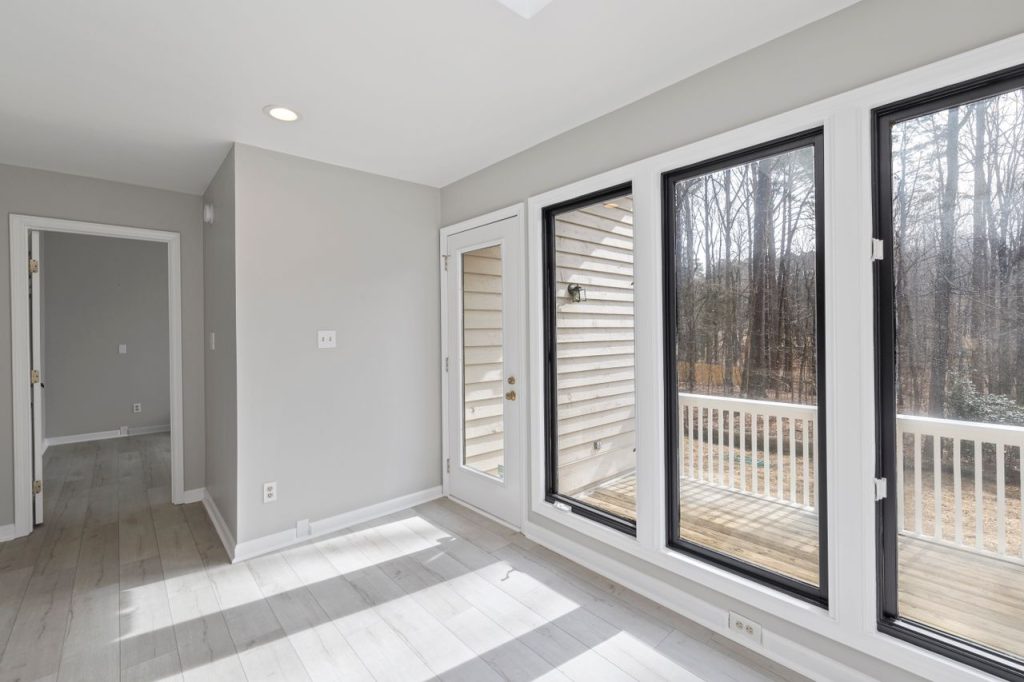
Windows do more than frame a view. They help regulate indoor temperatures, keep moisture where it belongs, protect against the elements, and contribute to a home’s overall comfort and efficiency. Yet because window problems often develop gradually, it can be easy to overlook the warning signs until drafts, water stains, or rising energy bills become difficult to ignore.
Knowing when to repair a window and when to replace it can help homeowners make informed decisions, protect their investment, and avoid preventable damage.
5 Signs It May Be Time for New Windows
1. Drafts and Uneven Indoor Temperatures
If certain rooms feel noticeably colder in winter or warmer in summer, aging windows may be part of the problem. Worn weatherstripping, deteriorated seals, and poorly fitting sashes can allow outside air to enter. However, drafts can also originate from insulation gaps or other parts of the building, so identifying the source is an important first step.
2. Condensation Between the Panes
Moisture trapped between the panes of a double- or triple-pane window typically indicates a failed insulated glass seal. Once that seal fails, the window’s insulating performance may decline, and the glass can become permanently foggy. Depending on the window’s design and condition, replacing the insulated glass unit may be an option instead of replacing the entire window.
3. Water Stains, Soft Wood, or Peeling Paint
Water damage deserves particular attention. Staining around a window, deteriorated trim, bubbling paint, or soft wood may indicate water intrusion. The source could be a failed sealant joint, defective flashing, drainage problems, or a roof or siding issue nearby. Replacing the window without correcting the underlying cause may allow the damage to return.
4. Difficulty Opening, Closing, or Locking
Windows that stick, refuse to stay open, or no longer latch properly may have worn hardware, damaged balances, or frame deterioration. Some issues are repairable, but persistent operating problems can affect both security and emergency egress.
5. Noticeable Noise and Rising Energy Costs
Older windows may provide less insulation and sound reduction than modern products. Although new windows can improve comfort, energy savings vary with the existing windows, installation quality, climate, and other building conditions. Windows alone are not a guaranteed solution to high utility bills.
Repair or Replace? Look Beyond the Glass
A broken pane or worn piece of weatherstripping does not automatically justify a full replacement. When the frame remains sound and the problem is isolated, a targeted repair may be the more practical choice.
Replacement becomes more compelling when frames are deteriorated, multiple components are failing, water intrusion keeps recurring, or repairs no longer provide reliable performance.
Why Installation Matters as Much as the Window
Even a high-quality window can underperform when improperly installed. Correct measurements, appropriate flashing, effective air sealing, and proper integration with the surrounding siding and trim are essential. Poor installation can contribute to drafts, leaks, and concealed moisture damage.
In Maryland and Delaware, where homes experience humid summers, seasonal temperature swings, wind-driven rain, and occasional coastal storms, these details deserve particular attention.
A Smarter Approach to Window Replacement
Before choosing new windows, evaluate the existing conditions, compare product features, and understand the scope of installation work. Look for appropriate energy-performance ratings, durable materials, and warranties that clearly explain what is covered.
The bottom line: Window replacement is not simply a cosmetic upgrade. It is an opportunity to improve comfort, address developing problems, and help protect the home’s building envelope. A careful assessment before purchasing can make the difference between an expensive change and a worthwhile long-term improvement.