
Tiny homes may have a smaller footprint, but they still demand careful attention to stay safe, comfortable, and built to last. In fact, compact living often means every component works harder, making regular inspections and maintenance even more important than many people expect.
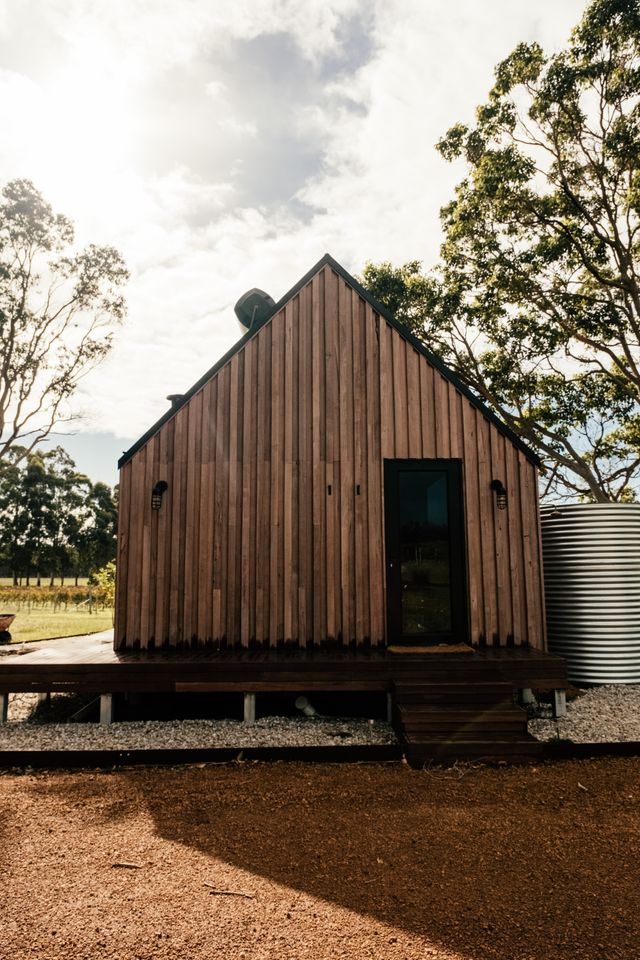
Small Space, No Room for Small Problems
One of the biggest misconceptions about tiny homes is that less square footage means fewer maintenance concerns. While there may be fewer rooms to inspect, every inch serves a purpose. A minor issue that might go unnoticed in a larger home can quickly affect comfort, efficiency, or safety in a tiny one.
Moisture is a prime example. Limited interior space means humidity can build up quickly, especially in kitchens, bathrooms, and sleeping areas. Without proper ventilation, condensation can lead to mold growth, wood damage, and declining indoor air quality.
Water Is Still the Biggest Threat
Leaks remain one of the most common problems found during inspections. Tiny homes often have compact plumbing systems tucked behind cabinets or beneath floors, making small leaks harder to spot before damage occurs.
Regularly checking under sinks, around water heaters, near plumbing connections, and along exterior walls can help catch problems early. Roof penetrations, skylights, and window seals should also be inspected because even a small water intrusion can spread quickly through a compact structure.
The Challenges of Mobility
For homes built on trailers, movement creates another layer of maintenance. Traveling over uneven roads can loosen fasteners, shift fixtures, or create gaps around windows and doors.
Owners should routinely inspect the trailer frame, tires, wheel bearings, hitch components, stabilizers, and tie-downs. Inside, cabinetry, plumbing connections, and appliances should also be checked after relocating the home to ensure nothing has worked loose during transport.
Electrical and Mechanical Systems Matter
Tiny homes rely heavily on efficient electrical systems. With limited space, outlets often serve multiple purposes, and extension cords can become tempting shortcuts. Electrical panels should remain accessible, circuits should never be overloaded, and any signs of overheating deserve immediate attention.
Heating and cooling equipment also requires regular servicing. Mini-split systems, portable heaters, and ventilation fans all perform critical roles in maintaining comfort while controlling moisture throughout the year.
Don’t Forget the Exterior
The exterior protects everything inside, regardless of the home’s size. Siding, flashing, roofing materials, caulking, and skirting should be inspected at least twice a year. Small cracks or failed sealant may seem insignificant but can allow water, insects, or air leaks to develop into much larger problems.
Decks, stairs, and entry platforms should also be evaluated for stability, particularly if they are detached and reassembled when the home is moved.
A Little Maintenance Goes a Long Way
Tiny homes prove that living with less does not mean caring for less. Routine inspections, prompt repairs, and seasonal maintenance help protect the investment while keeping the home safe and efficient.
Whether the home stays in one location or travels regularly, consistent attention to the details makes all the difference. In a tiny home, every system counts, every space matters, and proactive maintenance is always easier—and far less expensive—than dealing with major repairs later.