
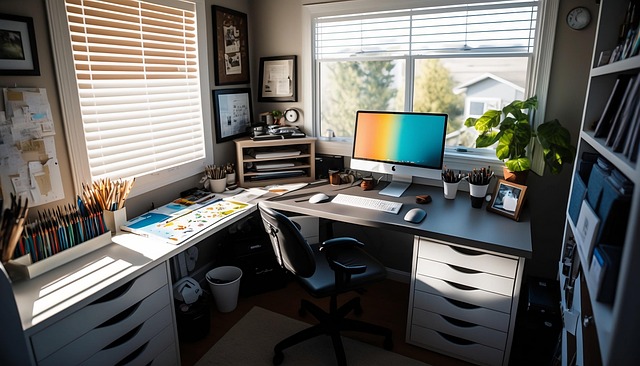
Working from home has become more than a temporary trend. Many homeowners are reimagining spare bedrooms, basements, garages, and even closets as dedicated workspaces. While the idea sounds simple, adapting a home for remote work can introduce a number of issues that aren’t always obvious at first glance. Below are some common problems homeowners run into—and why a careful approach matters.
Electrical Systems Under Strain
Home offices often require more power than a typical living space. Multiple monitors, printers, routers, and charging stations can quickly overload older electrical circuits. Extension cords and power strips become permanent solutions, which increases fire risk. In some homes, outlets may not be grounded properly or may not be designed for sustained use. These issues tend to stay hidden until a breaker trips—or worse.
Lighting and Ventilation Shortcomings
Many makeshift offices are set up in rooms never intended for all-day occupancy. Basements and interior rooms often lack natural light and adequate ventilation. Poor lighting can strain eyes and reduce productivity, while limited airflow may cause rooms to feel stuffy or damp. Over time, this can contribute to moisture problems, musty odors, or even mold growth.
Heating and Cooling Imbalances
Adding a full-time workspace can disrupt how a home heats and cools. Rooms that were once rarely used may now need consistent temperature control. This often leads to hot or cold spots, overworked HVAC systems, and higher energy bills. Portable heaters and window air conditioners may seem like quick fixes, but they can introduce safety and efficiency concerns.
Structural and Moisture Concerns
Converting garages, attics, or basements into offices sometimes involves adding walls, ceilings, or heavy furniture. Not all areas are designed to handle these changes. Basements, in particular, are prone to moisture intrusion if not properly sealed and insulated. What looks like a cozy workspace today can turn into a costly repair tomorrow if water management isn’t addressed.
Safety, Access, and Code Issues
Home offices still need to meet basic safety standards. Improper ceiling heights, lack of emergency exits, and blocked egress windows are common oversights. Some modifications may require permits or must comply with local building codes, zoning rules, or HOA guidelines—especially if clients visit the home or signage is added.
Noise and Privacy Limitations
Thin walls, shared HVAC ductwork, and hard surfaces can make sound travel easily. Homeowners often underestimate how disruptive household noise can be during work hours, leading to rushed or poorly planned soundproofing solutions that don’t fully solve the problem.
Planning Pays Off
A functional remote workspace is more than a desk and a strong Wi-Fi signal. Thoughtful planning helps protect the home’s structure, safety, and long-term value. Addressing these concerns early can save time, money, and frustration—while creating a workspace that truly works.