
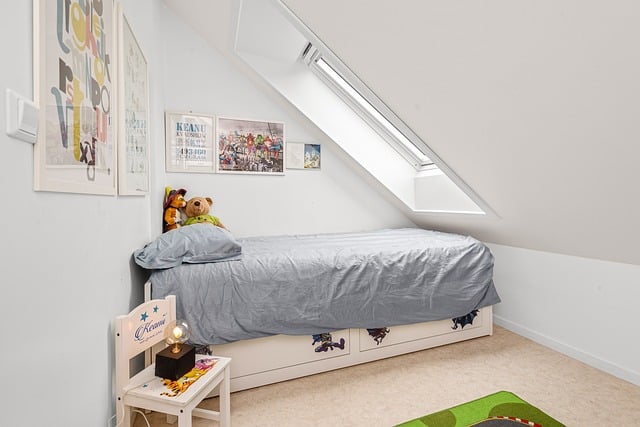
When a room lacks a conventional window, it doesn’t have to feel like a cave. Homes—especially older ones and those built on tight lots—often include areas where installing a standard window simply isn’t practical. Fortunately, there are several effective ways to bring natural light indoors without cutting a new opening in the wall. Here are some of the most reliable and homeowner-friendly options I’ve seen make a real difference.
1. Sun Tunnels (Tubular Skylights)
Sun tunnels are one of the most efficient methods for channeling daylight into dark interior spaces. These systems use a small, weather-sealed dome on the roof that captures sunlight, then directs it through a highly reflective tube down into the room below. The light output is surprisingly strong for something that only takes up a small footprint. They work particularly well for hallways, bathrooms, closets, and laundry rooms. Another advantage: they’re far less disruptive to install than a full-size skylight.
2. Traditional Skylights
When the goal is to introduce as much daylight as possible, a standard skylight is tough to beat. They’re available in fixed or vented models, with options to reduce heat gain, UV exposure, and glare. The vented styles offer a bonus—improved airflow—which can help with humidity issues in bathrooms or finished attics. Proper flashing and installation are critical, though, because these units do involve opening up the roof. When installed correctly, they offer consistent, long-lasting light.
3. Roof Windows
Roof windows look similar to skylights, but they’re designed to be within reach and operable. These are common in finished attic spaces with sloped ceilings. Because they open like a standard window, they provide both natural light and emergency egress when the model and installation height meet code requirements. They also help ventilate upper-level rooms that tend to trap heat.
4. Interior Glass Panels and Transoms
If cutting into the roof isn’t an option, interior glass features can help borrow light from nearby rooms that do have windows. Glass panel doors, transom windows above doorways, and partial interior walls with glazed sections allow daylight to travel deeper into the house. They maintain privacy while still improving the overall brightness of the floor plan.
5. Light Wells
In certain architectural layouts, a light well—essentially a vertical shaft running from the roof or an upper exterior wall down into a lower room—can deliver daylight where a standard window can’t be placed. These are more complex to construct, but when done right, they provide a steady stream of soft, natural light.
Final Thoughts
Dark rooms don’t have to stay gloomy. Whether you’re finishing a basement bathroom, refreshing a hallway, or trying to brighten an attic bedroom, there’s a natural-lighting solution that can fit the space. The key is choosing an option that works with your home’s structure and keeping installation quality front and center. The right choice can completely transform how a room feels—without flipping a single light switch.