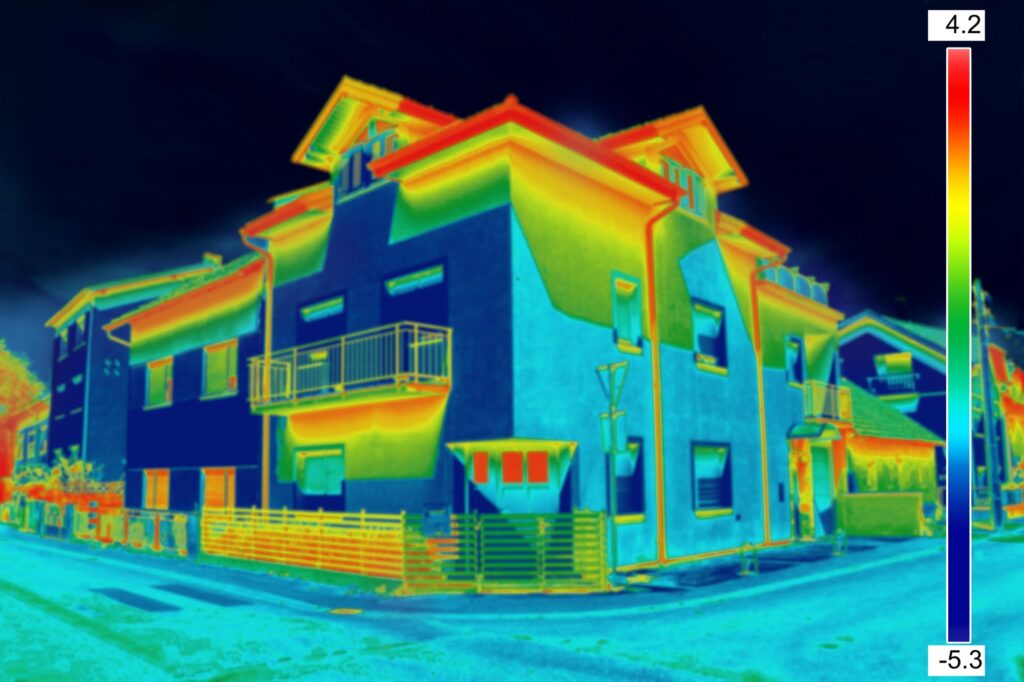
In the realm of modern technology, infrared cameras stand out as powerful tools that reveal a hidden world beyond what the naked eye can see. These cameras, also known as thermal imaging cameras, operate on fascinating scientific principles that have revolutionized various industries, including the realm of home inspections. Let’s delve into the science behind how an infrared camera works and explore its invaluable applications in the realm of home inspections.
The Basics of Infrared Imaging
At the heart of an infrared camera is a sensor that detects infrared radiation emitted by objects. Unlike visible light, which our eyes can perceive, infrared radiation is invisible to us. Every object with a temperature above absolute zero (-273.15°C or 0 Kelvin) emits infrared radiation, making it a valuable indicator of an object’s temperature.
Thermal Sensing and Image Creation
When an infrared camera captures a scene, it’s essentially detecting the infrared radiation emitted by objects within that scene. The camera’s sensor converts these radiation levels into electronic signals, which are then processed to create a thermal image. In this image, different colors or shades represent variations in temperature, allowing the viewer to visualize temperature differences across surfaces.
Key Components of Infrared Cameras
- Sensor: The sensor in an infrared camera is typically a microbolometer, which measures the intensity of infrared radiation and converts it into an electrical signal.
- Optics: The camera’s optics focus infrared radiation onto the sensor, ensuring accurate detection and imaging of thermal patterns.
- Display and Analysis: Modern infrared cameras feature displays that show thermal images in real time. Advanced models may also include analysis tools to quantify temperature differences and anomalies.
Applications in Home Inspections
The science behind infrared cameras finds invaluable applications in the field of home inspections, offering inspectors a non-invasive and comprehensive way to assess a property’s condition. Here’s how:
- Detecting Moisture Intrusion: Infrared cameras can identify moisture intrusion within walls, ceilings, and floors by detecting temperature variations caused by dampness. This helps inspectors pinpoint areas prone to mold growth or structural damage.
- Locating Electrical Issues: Overheating electrical components, such as faulty wiring or overloaded circuits, emit distinctive thermal patterns. Infrared cameras enable inspectors to identify these issues before they escalate into potential fire hazards.
- Spotting Insulation Deficiencies: Inadequate insulation results in thermal leaks, where heat escapes or enters a building. Infrared cameras visualize these leaks, guiding inspectors in recommending insulation improvements for energy efficiency.
- Assessing HVAC Performance: Infrared imaging reveals temperature disparities in HVAC systems, indicating inefficiencies, duct leaks, or blocked airflow. This data aids in optimizing HVAC performance and reducing energy consumption.
- Identifying Structural Anomalies: Variations in thermal patterns can highlight structural defects, such as missing insulation, water damage, or air leaks, guiding inspectors in prioritizing repairs and maintenance.
Conclusion: Harnessing Infrared Technology for Enhanced Home Inspections
The science of infrared cameras unveils a world of thermal insights that complement traditional visual inspections, offering a deeper understanding of a property’s condition. By harnessing thermal imaging technology, home inspectors can identify hidden issues, prioritize maintenance efforts, and provide homeowners with comprehensive assessments backed by scientific data. In the dynamic landscape of home inspections, infrared cameras emerge as indispensable tools, bridging the gap between what’s visible and what lies beneath the surface, ultimately fostering safer, more efficient, and well-informed homeownership experiences.